Master esthetician vs esthetician in Utah
Utah licenses two levels of esthetician and the training gap is large. What each can legally do, and why it matters for the treatment you book.
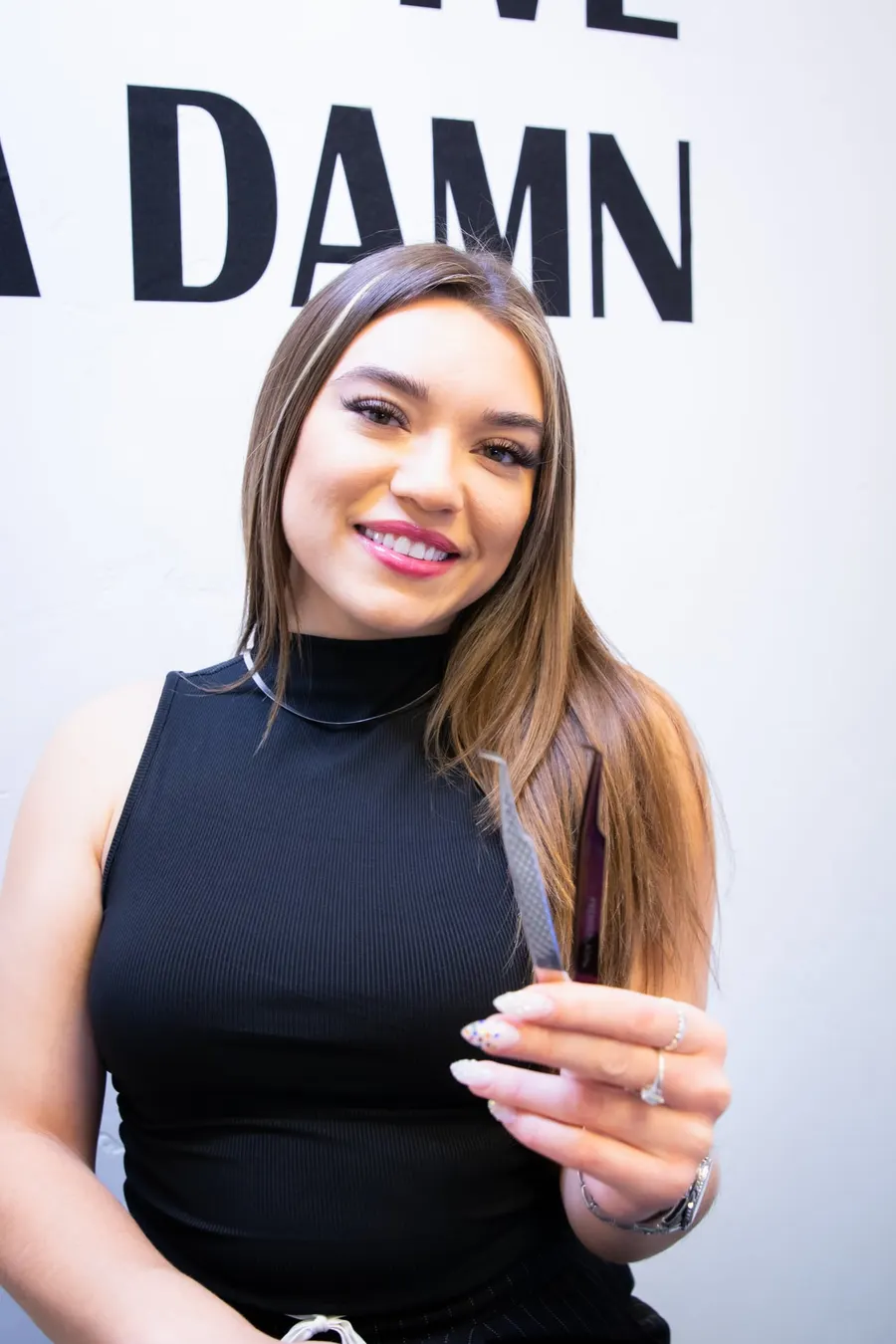
In everyday conversation both are just "my esthetician," but in Utah they are two separate licenses with very different training behind them. The distinction rarely comes up until you want a treatment that goes deeper than the surface of the skin, at which point it decides who is legally allowed to touch you. Here is the difference in plain terms.
Two licenses, not two job titles
Utah licenses estheticians through the Division of Professional Licensing, usually shortened to DOPL. There is a basic esthetician license and a master esthetician license, and the master credential is not a certificate or a specialty course bolted onto the first one. It is a separate license with its own training requirement and its own scope of practice.
Utah is one of a small number of states that splits the credential this way.
The training hours, approximately
The gap is large. A basic esthetician license in Utah has historically required somewhere in the neighborhood of 200 training hours. A master esthetician license has required roughly 1,200, which is around six times as much classroom and hands-on work.
Treat both of those as approximate. Hour requirements, apprenticeship options and exam rules are set by DOPL and the Utah Legislature and they do get revised, so if the exact number matters to you, check the current requirements on the DOPL site rather than taking any salon’s website, including this one, as authoritative. What does not change is the shape of it: the master license is a substantially longer program.
What the extra hours cover
The additional training is concentrated in treatments that work below the surface of the skin, where technique and contraindication knowledge matter more.
- Advanced chemical exfoliation. Stronger peels and higher concentrations than a basic license permits, plus the pH chemistry and neutralization behind them.
- Dermaplaning. Manual exfoliation with a blade, which is exactly as unforgiving of bad technique as it sounds.
- Microneedling. Controlled micro-injury to stimulate collagen, with the sanitation and depth protocols it requires.
- Lymphatic massage. A specific drainage technique used for puffiness, post-procedure swelling and general circulation.
- More anatomy, pathology and sanitation. The unglamorous half, and the part that tells a practitioner when the answer is no.
Again, the scope of what each license permits is defined by state rule and is worth verifying directly with DOPL rather than assuming.
What both licenses can do
Plenty of the services people book most often sit comfortably within a basic esthetician license: lash extensions, lash lifts, brow lamination and tinting, waxing, and standard facials with extractions. A basic esthetician can be excellent, and hours are not the same thing as skill. Someone with 200 hours and five years of doing nothing but volume lashes will out-lash a fresh master graduate every time.
So the honest version is this: the license tells you what someone is permitted to do and how much foundational training sits behind them. It does not tell you whether they are good. Photos, reviews and how they answer a hard question tell you that.
Why it matters to you as a client
- Scope. If you want peels, dermaplaning or microneedling, the license determines who can legally provide them in Utah.
- Judgment about the skin generally. More pathology training means a better read on what is a breakout, what is a reaction, and what belongs with a dermatologist.
- Contraindications. Knowing when a treatment is a bad idea, on isotretinoin, on certain medications, with an active infection or after recent injectables.
- It is not a price tier. A master license does not automatically mean higher prices for a lash fill.
How to check anyone’s license
DOPL runs a public license lookup. You can search by name and see the license type, the status and whether there is any disciplinary action attached.
Also reasonable: just ask. Anyone who trained for it will tell you where and when, and will not be offended by the question.
What that means here
Gabriela is a licensed master esthetician who graduated from the National Institute of Medical Aesthetics in 2019 and opened this studio in 2022. Every appointment is with her; there is no rotating staff and no one else in the room.
The menu here is deliberately not the full scope of the license. It is lashes, brows, facials, waxing and tooth gems, done one-on-one in a private studio, with colored and decorative lash work as the actual specialty. Training you do not use every day is still doing something useful in the background, mostly in the form of being told honestly when a service is not right for your skin. More about the studio and the training behind it, or the full service list.
Come ask in person
The facial menu is the easiest place to start if skin is what you are here for, and new clients covers how a first visit works. Text (801) 875-9677 with a question, or get in touch before you book.